Designing homes that age well environmentally and architecturally
Designing homes that age well environmentally and architecturally
Most homes are designed for the day they’re completed. The best homes are designed for the decades that follow. At first glance, a home may appear successful because of its form, materials, or finish. But over time, those surface qualities matter less than something deeper — how the building performs, adapts, and continues to feel relevant. Designing a home that ages well is not about resisting change. It’s about anticipating it.
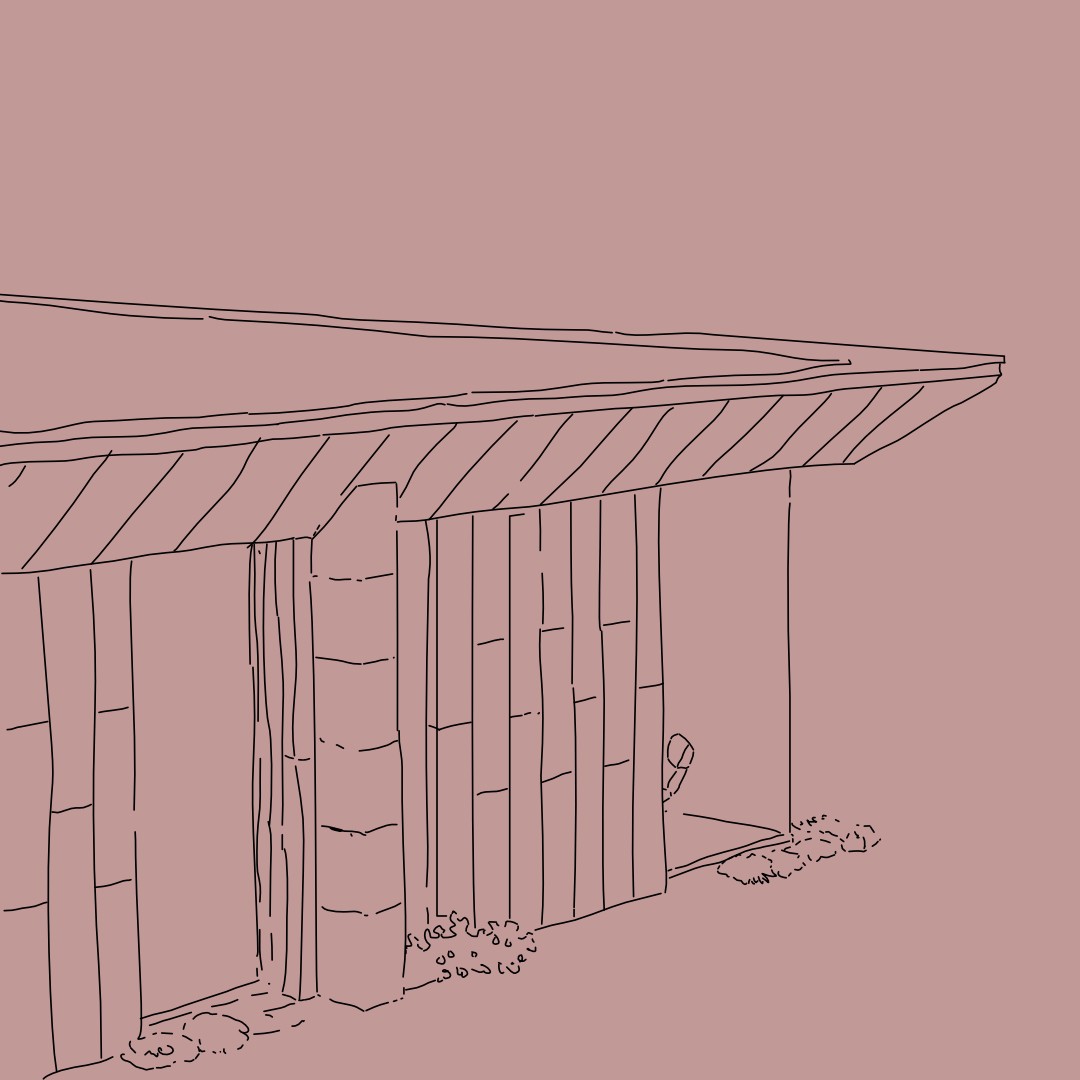
Designing Homes That Age Well — Environmentally and Architecturally
Most homes are designed for the day they’re completed.
The best homes are designed for the decades that follow.
At first glance, a home may appear successful because of its form, materials, or finish. But over time, those surface qualities matter less than something deeper — how the building performs, adapts, and continues to feel relevant.
Designing a home that ages well is not about resisting change.
It’s about anticipating it.
What Does It Mean to “Age Well”?
A home that ages well does two things simultaneously:
Environmentally → it performs efficiently, minimises impact, and remains resilient over time
Architecturally → it continues to feel appropriate, functional, and considered as life evolves
This is not achieved through a single feature or system. It is the result of a holistic design approach, where every decision contributes to long-term performance and usability.
Designing for Environmental Longevity
Performance from the outset
Environmental performance isn’t something that can be added later. It must be embedded into the earliest stages of design.
This includes:
Orientation to maximise natural light and passive solar gain
High levels of insulation and airtightness
Thoughtful ventilation strategies
Efficient, low-energy systems
By reducing energy demand at the outset, the home becomes more resilient — both environmentally and economically — over its lifetime.
Materials that improve over time
Some materials age poorly. Others develop character.
Designing for longevity means selecting materials that:
Weather naturally and gracefully
Require minimal maintenance
Have a low environmental impact
The aim is not perfection on completion, but enduring quality — a building that feels better with time rather than deteriorating against it.
Reducing long-term impact
A home that ages well environmentally is one that continues to minimise its footprint long after construction.
This can include:
Renewable energy integration
Water management strategies
Biodiversity-led design approaches
These elements contribute to a building that not only reduces harm, but can actively support its surrounding environment.
Designing for Architectural Longevity
Beyond trends
Architectural trends are, by nature, temporary.
Homes designed around them often feel dated within a few years.
Instead, long-lasting architecture focuses on:
Proportion and scale
Light and spatial quality
Material honesty
Clarity of form
These are the qualities that remain relevant over time — because they are rooted in fundamentals, not fashion.
Designing around how you live
A home should be shaped by lifestyle, not assumptions.
Understanding how people live — and how that might change — allows spaces to be:
Flexible rather than fixed
Intuitive rather than forced
Adaptable rather than restrictive
This might mean creating multi-functional rooms, allowing for future reconfiguration, or simply ensuring spaces can evolve as needs shift.
Responding to place
Homes that age well don’t impose themselves on a site — they belong to it.
This means responding to:
Landscape and topography
Views and orientation
Local character and context
When architecture is rooted in its environment, it naturally retains its relevance over time.
Flexibility as a Design Principle
One of the most important — and often overlooked — aspects of longevity is flexibility.
Life changes:
Families grow
Work patterns shift
Priorities evolve
Designing with this in mind reduces the need for future alterations, extending the life of the building and reducing its overall impact.
Flexibility doesn’t mean compromising design.
It means designing with foresight.
A Long-Term Approach to Design
Designing homes that age well requires a shift in mindset:
From short-term cost to long-term value
From appearance to performance
From fixed outcomes to adaptable living
It’s about making decisions that may not be immediately visible — but become increasingly valuable over time.
The Balance Between Performance and Architecture
A high-performing home that lacks architectural quality can feel clinical.
A beautiful home that performs poorly quickly becomes inefficient and uncomfortable.
The goal is balance.
When environmental performance and architectural clarity are considered together from the outset, the result is a home that:
Feels comfortable year-round
Requires less energy to run
Maintains its visual and spatial quality
Continues to support the people who live in it
Final Thoughts
Designing a home is a rare opportunity — not just to create something new, but to create something lasting.
A home that ages well:
Costs less to run
Requires fewer interventions
Adapts to changing needs
And remains connected to its environment
These are not accidental outcomes.
They are the result of careful, considered design from the very beginning.
Because the true measure of a home isn’t how it looks when it’s finished —
it’s how it performs, feels, and endures over time.