Building a Bespoke Home in Cheshire: A Guide to Planning, Design and Costs
Building a Bespoke Home in Cheshire: A Guide to Planning, Design and Costs
Thinking about building a bespoke home in Cheshire? Learn about planning permission, design, sustainability and typical costs when creating a custom home in the countryside.
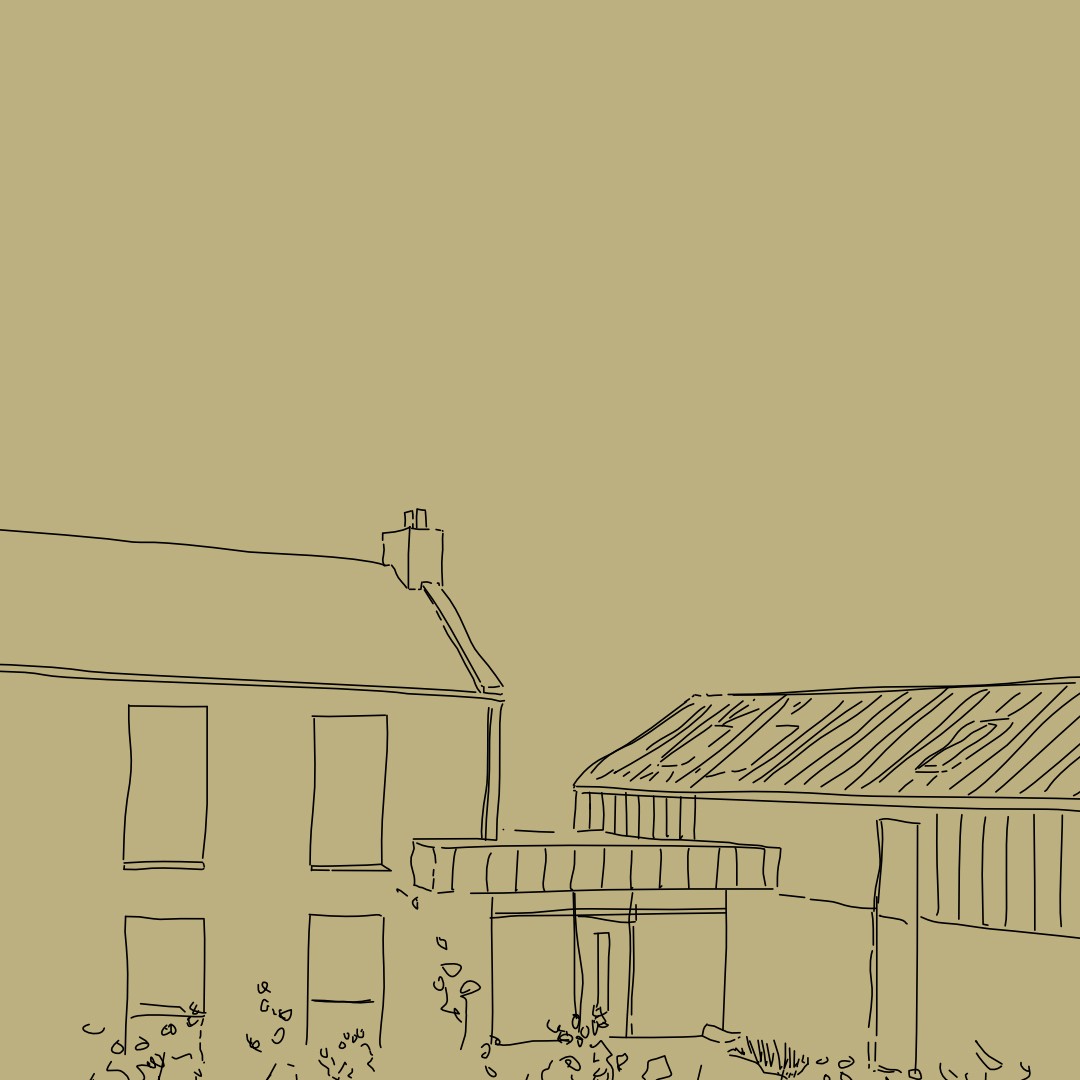
Building a Bespoke Home in Cheshire: A Guide to Planning, Design and Costs
Designing and building your own home is one of the most exciting opportunities you’ll ever have.
But in a place like Cheshire, with its mix of protected landscapes, established villages, and high expectations for design quality, it can also feel complex.
Planning constraints, costs, and design decisions can quickly become overwhelming.
The key is understanding the process from the outset — and approaching it in the right order.
Why Cheshire Is Unique for Bespoke Homes
Cheshire offers a rare mix of:
Rural landscapes and Green Belt land
Historic villages and conservation areas
High-value residential locations like Alderley Edge
This creates both opportunity and challenge.
Architecture in the region reflects a blend of traditional and contemporary styles, shaped by history, materials, and landscape.
For bespoke homes, this means your design must not only meet your ambitions — but also respond carefully to its surroundings.
Step 1: Start With the Site, Not the House
One of the biggest mistakes people make is designing a home before fully understanding the site.
At Arkhi, every project begins with:
Walking the site
Understanding orientation, views, and constraints
Exploring how you want to live
This early stage is less about drawings — and more about defining your vision and uncovering what’s possible.
Because in Cheshire, the success of your project is often determined by how well it responds to the land.
Step 2: Navigating Planning Permission in Cheshire
Planning is often the most challenging part of a bespoke home — particularly in:
Green Belt locations
Conservation areas
Sites with existing structures or heritage value
But “difficult” doesn’t mean impossible.
Projects like The Roost show how even highly constrained sites can gain approval through:
Strong design justification
Collaboration with planners and consultants
A clear sustainability strategy
In this case, a derelict Green Belt structure was transformed into a contemporary eco-home through careful design and persistence.
The lesson? Planning isn’t a barrier — it’s a process to be understood and navigated strategically.
Step 3: Designing Around Lifestyle, Not Just Space
A bespoke home isn’t just a collection of rooms — it’s a response to how you live.
This is where good design goes beyond square footage:
How spaces connect and flow
How light moves through the home
How the layout supports daily routines
At Arkhi, this stage is highly collaborative — using sketches, layouts, and conversations to shape a home that feels intuitive and personal.
Because the best homes don’t just look good — they work effortlessly.
Step 4: Understanding Build Costs
Costs are one of the biggest unknowns for self-build clients.
While every project is different, your budget will typically be influenced by:
Key Cost Drivers:
Size and complexity of the design
Site conditions (access, groundworks, topography)
Construction method (timber frame, SIPs, masonry)
Level of specification and finishes
Sustainability systems (MVHR, heat pumps, etc.)
At Arkhi, cost planning is introduced early — often with a Quantity Surveyor — to ensure the design aligns with your budget before moving forward.
This avoids costly redesign later and gives clarity from the outset.
Step 5: Choosing the Right Construction Approach
The way your home is built will affect:
Build speed
Energy performance
Long-term running costs
Many Arkhi projects incorporate:
Timber frame or SIPs for efficiency and airtightness
Renewable energy systems
High-performance glazing and insulation
For example, projects like Brookmere Barns and The Roost integrate systems like MVHR and ground source heat pumps to achieve low energy use and long-term performance.
This isn’t just about sustainability — it’s about creating homes that are comfortable, efficient, and future-proof.
Step 6: From Design to Construction
Once planning is secured and the design is developed, the focus shifts to delivery.
This includes:
Selecting the right contractor
Detailed technical drawings
Ongoing site involvement
At Arkhi, the process doesn’t stop at design — the team stays involved throughout construction to ensure:
Quality is maintained
The design is delivered as intended
Problems are resolved quickly
The goal is simple: to make the process feel as smooth and controlled as possible for the client.
The Reality: It’s a Journey, Not a Straight Line
Every bespoke home in Cheshire comes with its own challenges:
Planning hurdles
Site constraints
Budget decisions
But these challenges are also where the best architecture happens.
With the right approach, they become opportunities to create something truly unique — a home that reflects both its setting and the people who live in it.
Final Thoughts
Building a bespoke home in Cheshire is about more than creating a house.
It’s about:
Understanding the land
Navigating planning intelligently
Designing around your lifestyle
Balancing ambition with practicality
When these elements come together, the result isn’t just a successful project — it’s a home that feels effortless, performs brilliantly, and stands the test of time.
At Arkhi, that’s the goal from day one:
To take your vision and guide it — from first idea to the moment you move in.