Project Recap - Subterranean Eco House
Project Recap - Subterranean Eco House
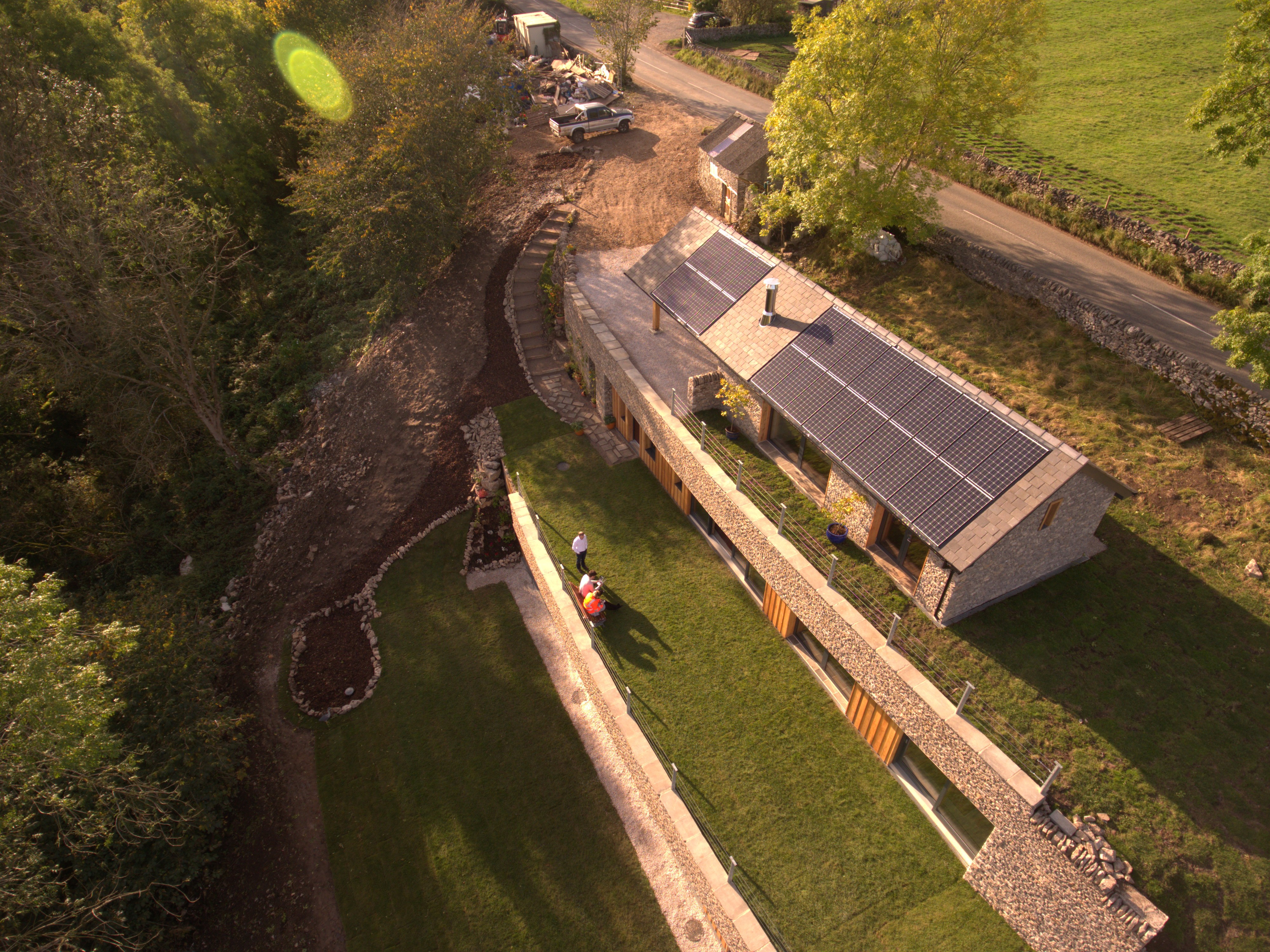
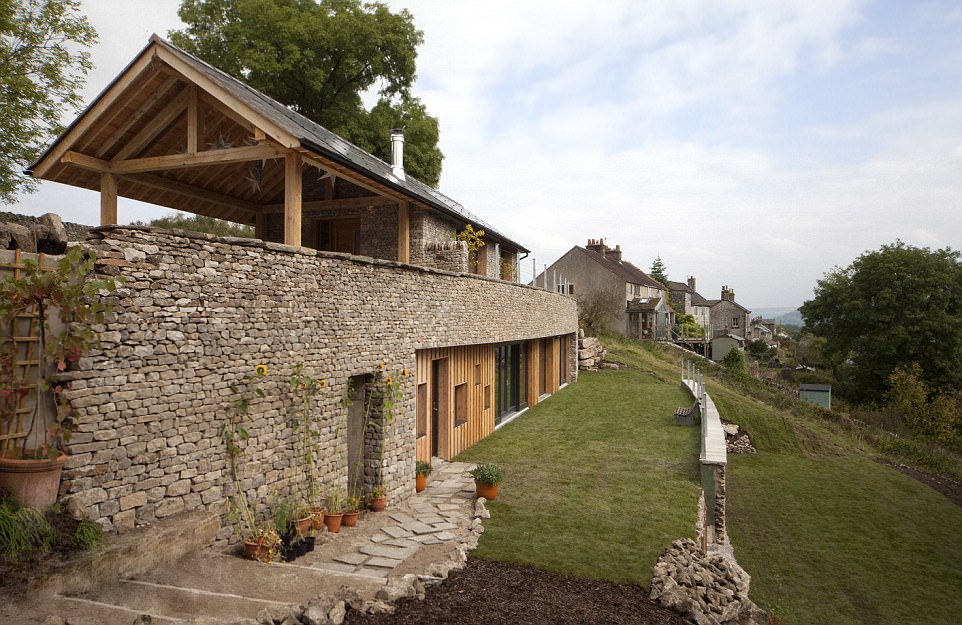
The Subterranean Eco House began with a clear and ambitious vision: to create a home that is truly embedded within its landscape. Rather than sitting on top of the site, the dwelling is conceived as part of it — an environmentally conscious home that integrates seamlessly with its natural surroundings while minimising its visual and ecological impact.
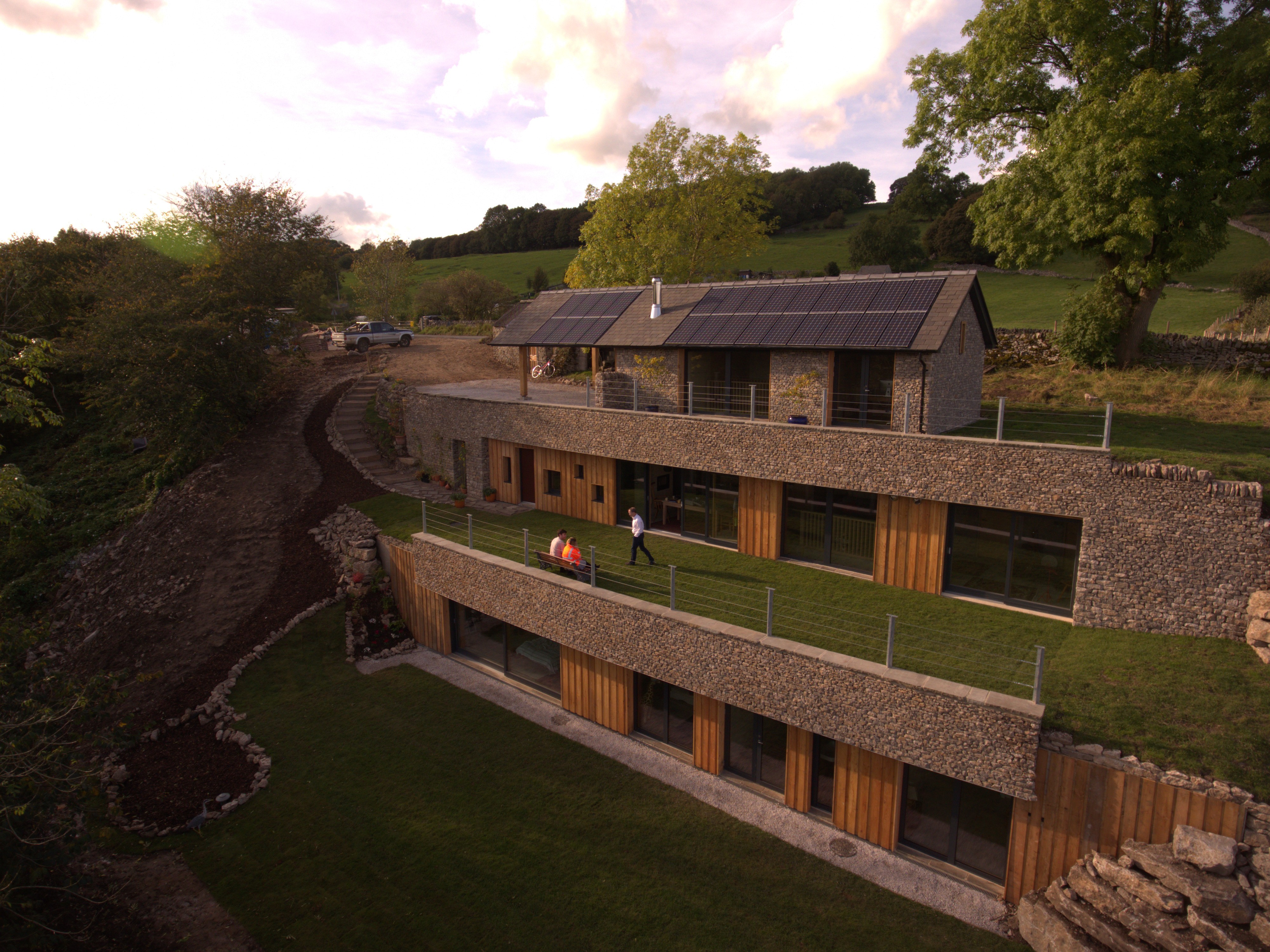
For the clients, sustainability is not simply a design feature but a way of life. From the earliest stages of the project, the intention was to celebrate the sustainable elements of the design, making them an integral part of the architecture rather than concealing them. The home therefore becomes both a place to live and a reflection of the clients’ values, demonstrating how thoughtful design can support a more environmentally responsible lifestyle.
A key requirement for the clients was the ability to grow vegetables and maintain a productive garden, ensuring that the landscape surrounding the home could support a self-sufficient way of living. The scheme was carefully developed to sit within the site’s existing topography and natural setting, allowing the architecture and landscape to work together as one cohesive environment.
Despite its subterranean character, the home unfolds internally across three carefully arranged storeys, designed to meet the clients’ spatial and functional needs. The organisation of the spaces balances practicality with moments of openness and connection to the outdoors, creating a home that feels both protected and expansive.
Environmental performance was a central consideration throughout the design process. Particular attention was given to ventilation strategies, thermal performance, and long-term sustainability, ensuring the house aligns with the high-performance standards set by Arkhi Zero. By integrating these strategies from the outset, the design supports energy efficiency while maintaining comfortable and healthy living conditions.
One of the most intriguing challenges of the project was bringing natural light deep into the interior of a home that sits largely beneath the ground. Without relying on conventional windows, the design required the careful development of intuitive and technically considered daylighting strategies. Through a combination of carefully positioned openings, light wells, and spatial planning, daylight is drawn into the heart of the house, creating bright and welcoming internal spaces while maintaining the building’s discreet presence within the landscape.
The result is a home that demonstrates how architecture can work in harmony with nature — a dwelling that is both innovative and environmentally responsible, while remaining deeply connected to the landscape that surrounds it.